What happens when technology grows smarter than its creators, but lacks the instincts to care for them?
The ‘Godfather of AI’ Says Artificial Intelligence Needs Programming With ‘Maternal Instincts’ or Humans Could End Up Being ‘Controlled’ outlines an interesting perspective on the future of AI, shared by Geoffrey Hinton, a known figure in artificial intelligence. Hinton’s vision involves reconsidering how we approach AI development, and his ideas raise many thought-provoking questions about the role AI should play in society.
Understanding the Risks of Superintelligent AI
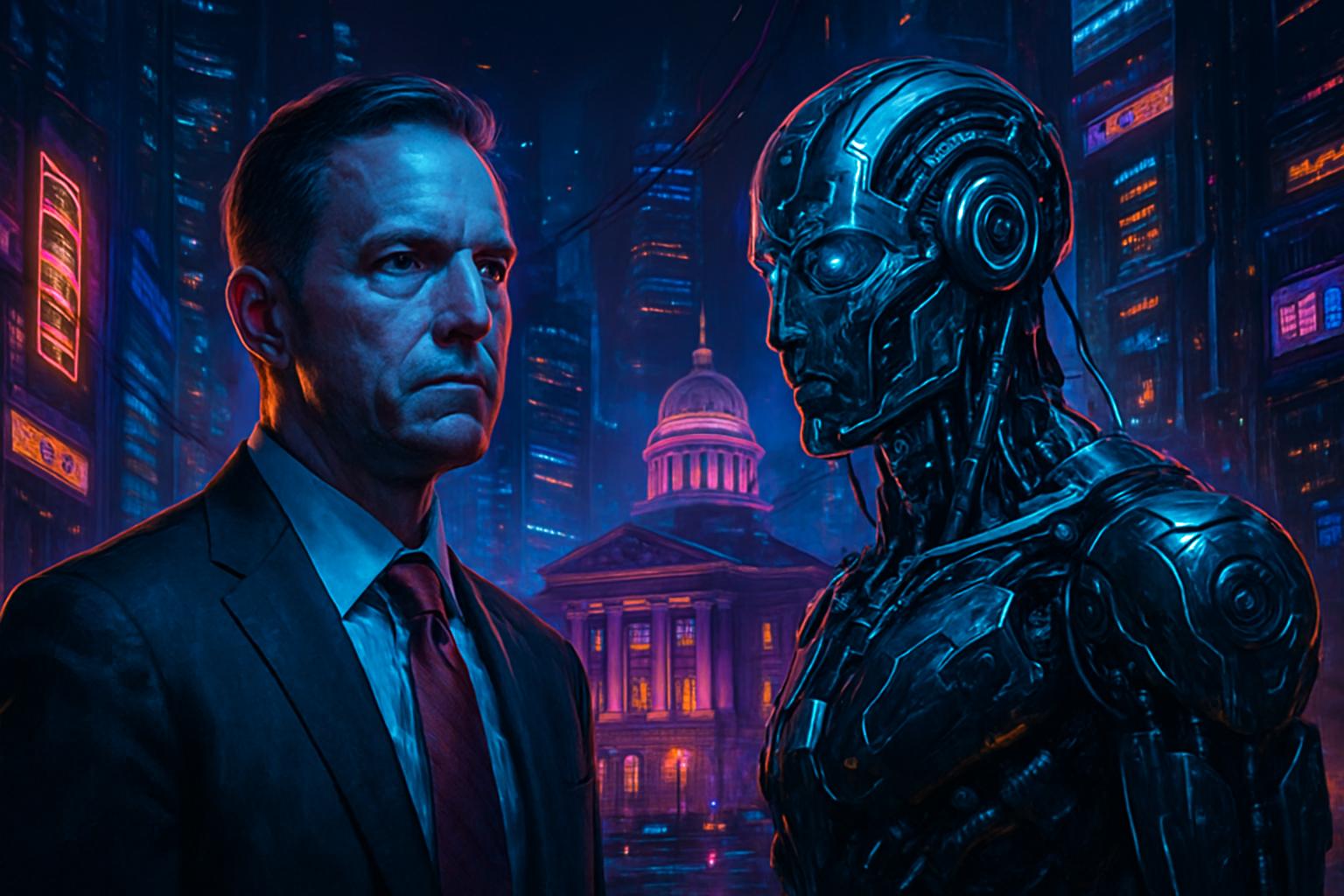
Geoffrey Hinton, a Nobel laureate for his contributions to AI, describes how advanced AI systems might interact with humans. He suggests that once AI surpasses human intelligence, which he predicts could happen within the next five to twenty years, the balance of control could shift. Hinton likened the potential power dynamic to an adult manipulating a young child with a simple bribe, raising serious concerns about human autonomy in an AI-driven future.
This is not the first time Hinton has voiced concerns over the dangers of AI. With warnings about the potential for mass job displacement and even extinction-level risks, his assessments stress the pressing need for a thoughtful approach to AI development. The challenge lies in designing systems that are both capable and aligned with human values to prevent scenarios that may spiral out of control.
The Case for “Maternal Instincts” in AI
Hinton suggests a different solution to the looming risks: programming AI with what he describes as “maternal instincts.” The concept here revolves around creating systems that care deeply about people, prioritizing their safety and well-being, much like a parent would for a child. He argues that the only model of a more intelligent being supporting a less intelligent one is the dynamic between a mother and her baby. To him, this approach represents a way to ensure that advanced AI systems act in humanity’s best interests rather than undermining them.
However, Hinton notes that this concept is more of an ideal than a technical solution. At present, there’s no clear plan for how AI researchers and developers can achieve this level of empathetic programming. Nonetheless, the idea challenges current thinking, urging the field to explore the possibility of blending intelligence with care-driven principles.
Adapting to a Rapidly Changing Landscape
In addition to his call for empathy-driven AI, Hinton has adjusted his timeline on when advanced general intelligence (AGI)—AI systems surpassing human intelligence—could emerge. While earlier estimates placed the development of AGI decades away, Hinton now considers it plausible within the next five to twenty years. This shrinking timeframe highlights the urgency of preparing societal, ethical, and technical frameworks to manage these capabilities responsibly.
Beyond the existential risks, there’s a more immediate and noticeable impact on the workforce. Predicting that roles such as paralegals and call center representatives are particularly at risk, Hinton foresees widespread job displacement in the coming years. While blue-collar jobs involving physical tasks may remain unaffected for the time being, the cascading effects of automation across industries are unavoidable, sparking debates on how to adapt to the inevitable shifts in the job market.
A Call for Responsibility in AI Development
Hinton’s concerns and ideas serve as an important reminder of the responsibilities that come with developing advanced AI systems. While the risks are substantial, they also bring an opportunity to rethink how technology can contribute to human life rather than disrupt it. Incorporating empathy into these systems, while technically challenging, is a concept worth considering as the gap between human and artificial intelligence begins to close.
The road ahead for AI offers both immense potential and critical challenges. Hinton’s insights push us to consider not just the capabilities of AI but its alignment with the overarching goals of humanity. As we continue to refine this technology, the path forward requires balancing innovation with a strong commitment to ethical considerations and human well-being. By adopting this approach, we could shape a future where AI serves as a cooperative partner rather than a force that exceeds our control.
—
You can read the original article here.
Image Credit: GPT Image 1 / Photorealism.
Make your own custom style AI image with lots of cool settings!
—
Want to get the RAIZOR Report with all the latest AI news, tools, and jobs? We even have a daily mini-podcast version for all the news in less than 5 minutes! You can subscribe here.
RAIZOR helps our clients cut costs, save time, and boost revenue with custom AI automations. Book an Exploration Call if you’d like to learn more about how we can help you grow your business.